
Picture this: driving along the charming roads of Massachusetts, the sun gleaming on your windshield, and the peace of mind that comes with knowing your car insurance is just right. But how exactly do you get to that point where you’re confident in your coverage and costs? This guide is your roadmap to understanding the factors that influence car insurance costs in Massachusetts, helping you make informed decisions that won’t break the bank.
Let’s embark on this journey where numbers meet narratives, and statistics transform into strategies. We’ll delve into the intricate world of car insurance, uncovering the secrets of premium calculations, and unveiling ways to keep your costs down while ensuring you have the protection you need. Whether you’re a seasoned driver or navigating these roads for the first time, there’s something here for everyone.
Factors Influencing Car Insurance Costs in Massachusetts
Navigating the world of car insurance in Massachusetts can feel like unraveling a mystery. However, understanding the key factors that influence your premiums can make a significant difference.
From your geographical location to your driving history, many elements intertwine to determine your car insurance costs in the Bay State. Let’s delve deeper into these aspects to discover what makes a difference in your insurance rates.
Geographical Influence on Premiums
Where you live in Massachusetts can greatly impact your car insurance premiums. Urban areas like Boston may see higher rates compared to rural regions due to increased traffic, crime rates, and accident likelihoods. Zip code is key! Insurers assess the risks associated with specific areas, leading to variability in cost.
Driving History’s Impact
Your driving record acts as a detailed resume of your on-road behavior. A history of accidents or traffic violations can increase your premiums significantly. Conversely, a clean driving history may reward you with lower rates, as insurers see you as a lower risk.
“Your past driving behaviors are a window into your future risk level.”
Vehicle Type and Insurance Rates
The type of vehicle you drive is more than just a style choice; it significantly impacts your insurance rates. Luxury vehicles or sports cars tend to attract higher premiums due to their cost, repair expenses, and likelihood of being stolen. For example, insuring a BMW might cost more than a Honda Civic because of these factors.
| Vehicle Type | Average Annual Premium |
|---|---|
| Luxury Car | $1,500 |
| Standard Sedan | $1,000 |
| SUV | $1,200 |
Understanding these elements allows you to make informed decisions when selecting your car and maintaining your driving record, ultimately paving the way to more manageable insurance costs.
Average Cost Analysis
When it comes to purchasing car insurance in Massachusetts, knowing the average costs can significantly aid in making informed decisions. These costs vary broadly due to multiple factors, yet understanding a general breakdown offers valuable insights.
Analyzing the average car insurance costs involves a careful look at how Massachusetts fares compared to national figures. It’s essential to appreciate the variations across different demographics and how historical trends have shifted the landscape over recent years.
Massachusetts vs. National Average Rates
In the grand scheme of car insurance, Massachusetts presents a unique profile in cost comparison. To bring clarity to these numbers, let’s examine a straightforward breakdown:
| Category | Massachusetts | National Average |
|---|---|---|
| Annual Premium | $1,300 | $1,450 |
| Minimum Coverage | $650 | $600 |
Massachusetts tends to show more favorable rates for full coverage insurance when contrasted with the national average. However, it slightly surpasses the national average in terms of minimum coverage costs. Leveraging these insights can guide prospective buyers toward smarter choices.
Age Group Variations in Costs
Car insurance premiums often reflect the driver’s age, where younger drivers face higher costs due to risk assessments. Here’s a glimpse into how age impacts insurance pricing:
- Drivers aged 16-19: Around $4,000 annually
- Drivers aged 20-29: Approximately $2,200 annually
- Drivers aged 30-39: Average of $1,800 annually
- Drivers aged 40-49: Typically $1,500 annually
- Drivers in their 50s and 60s: Less than $1,400 annually
Clearly, the cost of car insurance sees a noticeable decline as drivers mature, underlining the importance of age as a factor in premium calculations.
Historical Trends in Insurance Pricing
Over recent years, the car insurance market has seen fluctuations influenced by various economic factors. Let’s explore these dynamics:
In the past decade, car insurance costs in Massachusetts have experienced a steady upward trend, with a notable 15% increase since 2015, primarily driven by technological advancements in vehicles and increased claims frequencies.
This historical perspective highlights the importance of staying updated with trends, ensuring drivers can anticipate potential changes and strategize their insurance choices accordingly.
Cost Reduction Strategies
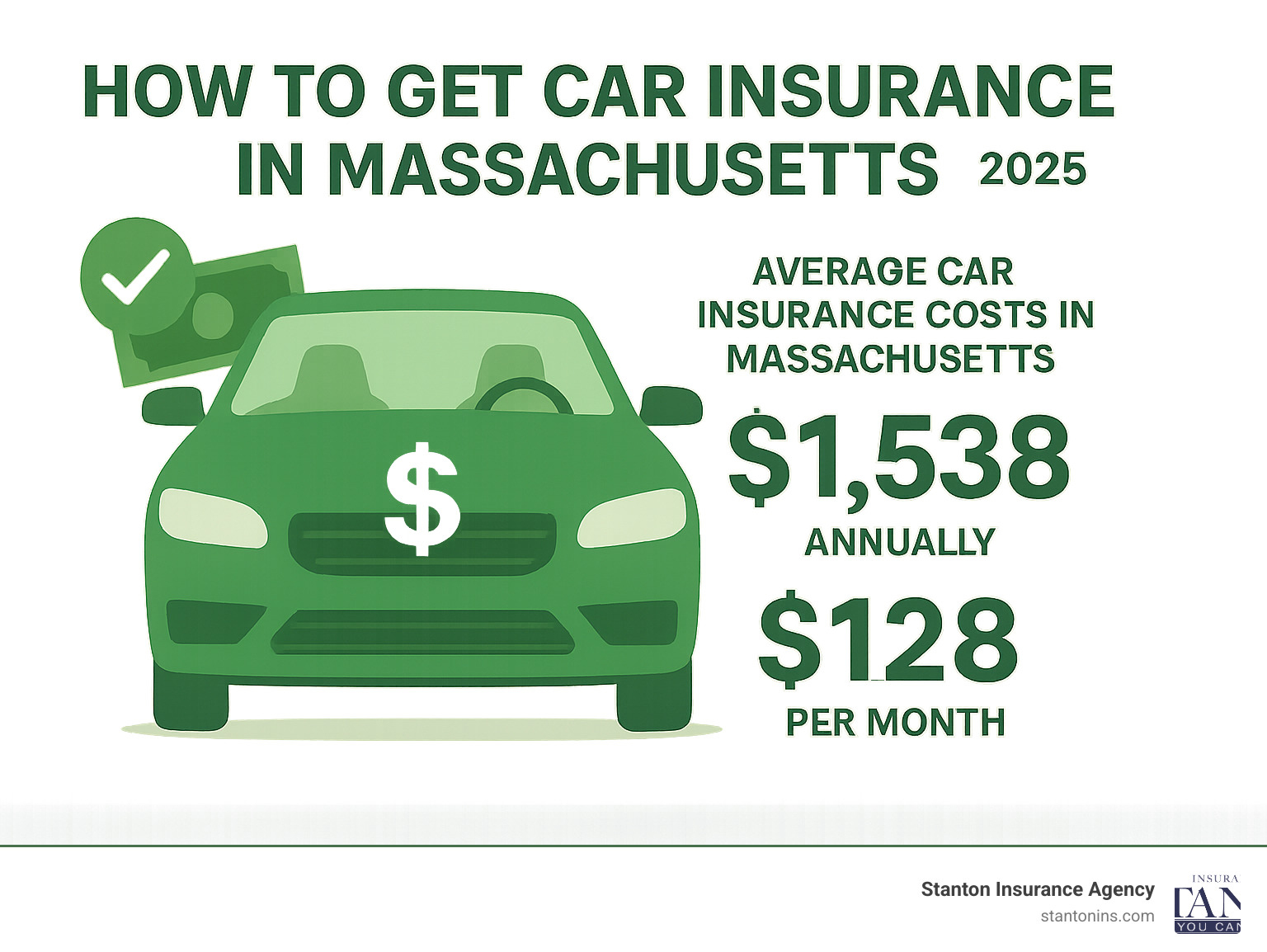
Paying for car insurance in Massachusetts doesn’t have to drain your wallet. There are effective strategies to cut down your premiums while still enjoying comprehensive coverage.
By understanding and utilizing various cost-cutting methods, you can achieve significant savings on your car insurance policy.
Unlocking Discounts for Policyholders
Insurance companies offer numerous discounts that can substantially reduce your premium. Here’s a list of opportunities you might qualify for:
- Safe Driver Discount: A clean driving record can lead to lower rates.
- Multi-car Discount: Insure multiple vehicles with the same company for a better deal.
- Good Student Discount: Students with a high GPA can benefit from reduced premiums.
- Low Mileage Discount: Drive less, pay less.
- Safety Features Discount: Cars with anti-theft devices and advanced safety systems often qualify for discounts.
The Power of Bundling Insurance Policies
Bundling your insurance policies can be a smart move. By choosing a single provider for multiple types of insurance, such as home and auto, you not only simplify your administrative work but also unlock significant savings. Here’s how it works:
| Policy Type | Potential Savings |
|---|---|
| Auto + Home | Up to 25% |
| Auto + Renters | Up to 20% |
| Auto + Life | Up to 15% |
Bundling isn’t just about convenience; it’s about leveraging your purchasing power for better rates.
Tips for Maintaining a Good Driving Record
One of the most effective ways to keep your car insurance costs down is by maintaining a clean driving record. Follow these tips to stay on the right track:
- Adhere to Speed Limits: Avoiding speeding tickets is crucial.
- Be Defensive: Proactively anticipate other drivers’ actions to prevent accidents.
- Avoid Distractions: Keep your focus on the road to avoid mishaps.
- Take Defensive Driving Courses: These courses can sometimes lead to insurance discounts.
Types of Car Insurance Coverage
Understanding the world of car insurance can feel like untangling a complex web, but it’s crucial for ensuring you’re adequately protected on the road. With the right coverage, you not only comply with legal requirements but also safeguard your financial future.
Let’s delve into the diverse types of car insurance coverage that can cater to various needs and preferences. Identifying and selecting the appropriate coverage can be a game changer, offering peace of mind and substantial savings in the long run.
Comprehensive and Collision Coverage
When it comes to safeguarding your vehicle, comprehensive and collision coverage are two pivotal options to consider. Comprehensive coverage shields you from damages unrelated to traffic accidents, such as theft, fire, or vandalism. In contrast, collision coverage specifically addresses damages resulting from collisions with other vehicles or objects. While not mandated by law, these coverages are often required by lenders if your car is financed.
Personal Injury Protection and Liability Coverage
Personal Injury Protection, commonly known as PIP, covers medical expenses and lost wages if you’re injured in a car accident, regardless of fault. Liability coverage, on the other hand, is essential for covering damages you may cause to others. In Massachusetts, it’s mandatory to have liability coverage, which includes bodily injury and property damage components.
Choosing the right coverage is crucial, not just to meet the legal minimums, but to ensure comprehensive protection for yourself and others on the road.
Minimum Coverage Requirements in Massachusetts
Massachusetts law requires certain minimum coverage levels for all drivers. It’s essential to be aware of these requirements to avoid legal penalties and potential financial hardships in the event of an accident:
- Bodily Injury to Others: $20,000 per person / $40,000 per accident
- Personal Injury Protection (PIP): $8,000 per person
- Bodily Injury Caused by an Uninsured Auto: $20,000 per person / $40,000 per accident
- Damage to Someone Else’s Property: $5,000 per accident
Optional Coverage Options
Besides the mandated requirements, numerous optional coverages can enhance your protection. These options provide layers of security tailored to your specific circumstances:
- Underinsured Motorist Coverage
- Rental Car Reimbursement
- Roadside Assistance
- Gap Insurance
- Glass Coverage
“In the realm of car insurance, knowledge is not just power—it’s your financial lifeline.”
Insurance Provider Comparison
Choosing the right car insurance provider in Massachusetts can be a daunting task, given the multitude of options available in the market. To help you make a more informed decision, this section provides a comprehensive comparison of top insurers based on their offerings, customer satisfaction, and unique policy features.
Understanding the differences in services and benefits offered by each provider is crucial in ensuring you receive the best value for your money. Let’s dive into the specifics.
Comparison of Top Car Insurance Providers
Here is a comparative table showcasing the key features and services offered by leading car insurance providers in Massachusetts:
| Provider | Coverage Options | Discounts Available | Customer Satisfaction Rating | Unique Features |
|---|---|---|---|---|
| Provider A | Comprehensive, Liability, Collision | Multi-car, Safe Driver, Bundling | 4.5/5 | 24/7 Roadside Assistance |
| Provider B | Liability, Uninsured Motorist | Good Student, Low Mileage | 4.2/5 | Accident Forgiveness |
| Provider C | Comprehensive, Personal Injury Protection | Anti-theft, Defensive Driving | 4.8/5 | Usage-based Discounts |
The table above highlights the diversity in coverage and special offerings, allowing you to tailor your choice according to your needs and preferences.
Customer Feedback and Satisfaction
When selecting a car insurance provider, one should not overlook the significance of customer feedback. High satisfaction ratings often indicate reliability and quality service. Here are some insights based on customer reviews:
- Provider A: Customers commend their responsive customer service and seamless claims process.
- Provider B: Noted for competitive pricing and generous discounts, especially for young drivers.
- Provider C: Praised for innovative mobile app features and transparent policy terms.
“A satisfied customer is the best business strategy of all.” – Michael LeBoeuf
Differences in Policy Features and Benefits
It’s important to look beyond the cost and carefully consider the distinctive benefits each policy provides. Here are some differentiators to consider:
While Provider A offers a robust roadside assistance program, Provider B focuses on educational discounts for student drivers. Meanwhile, Provider C is gaining popularity for its user-friendly digital tools, enhancing policy management efficiency.
Each of these differences can significantly impact your overall satisfaction, making it essential to weigh these factors alongside your personal driving habits and needs.
Impact of Legislation on Insurance Costs
Understanding the intricate dance between legislation and car insurance costs in Massachusetts is crucial for consumers seeking fair pricing. The state’s legal landscape holds significant power in shaping how much residents pay annually for car coverage.
The regulatory environment not only dictates the framework within which insurance companies operate but also plays a pivotal role in rate-setting mechanisms. From required minimum coverage levels to consumer protection measures, legislative decisions resonate throughout the industry, impacting every policyholder.
Recent Legislative Changes and Their Impact
Massachusetts has seen several legislative changes recently that directly influence car insurance rates. One of the notable pieces of legislation is the revision of minimum liability coverage, which increased mandatory coverage limits to enhance protection for all parties involved in vehicular incidents. While these changes ensure better financial protection, they also result in higher premiums for policyholders.
State Regulations and Premium Calculations
State regulations are at the heart of premium calculations. Insurers must adhere to guidelines that dictate how risk is assessed and priced. Massachusetts is a “no-fault” state, meaning each driver’s insurance covers their own losses, irrespective of fault in an accident. This framework influences the types of coverage offered and their respective costs. Additionally, regulations require insurers to file rates with the Division of Insurance, ensuring that prices remain controlled and justifiable.
Insights into Future Legal Changes
Looking to the future, Massachusetts legislators are considering bills aimed at enhancing transparency and competition within the insurance market. These proposed laws aim to streamline the rate approval process and empower consumers with more choice and clearer information. Such changes could potentially lead to more competitive pricing as insurers adapt to a more dynamic and transparent environment.
The Role of Insurance Regulators
Insurance regulators in Massachusetts play a critical role in maintaining fair pricing structures. They are tasked with reviewing proposed rate changes, ensuring that they are actuarially sound and not discriminatory. This oversight helps prevent unjustified price hikes and protects consumers from exploitation. The Division of Insurance acts as the industry’s watchdog, balancing the interests of insurers with the need to safeguard public welfare.
Final Summary
As you navigate the bustling highways and serene byways of Massachusetts, let your car insurance be the trusty co-pilot guiding you safely on your journeys. With the insights gained here, you’re now equipped to make savvy choices, whether that’s through strategic discounts, choosing the right coverage, or understanding the regulations that shape your premiums. Drive with confidence, knowing that you’ve got the knowledge to conquer the car insurance landscape in Massachusetts.

