
Picture this: you’ve poured your heart and soul into your small business, transforming it from a dream into a reality. Yet, with the unpredictability of the business world, are you prepared to safeguard your hard work against unforeseen risks? Enter the realm of insurance—a powerful shield that not only protects your investment but also empowers you to grow with peace of mind.
Whether it’s a slip-and-fall incident in your store or an unexpected disaster that damages your property, the right insurance policies can be your business’s lifeline. In this comprehensive guide, we’ll explore the nuances of selecting the best insurance options for small businesses. Get ready to discover how tailored insurance solutions can secure your venture’s future and allow you to focus on what you do best—thriving in your industry!
Understanding Insurance Needs for Small Businesses
Running a small business is exciting yet filled with challenges. One of the critical aspects of safeguarding your business’s future is understanding its insurance needs.
Small businesses face a myriad of risks that can be mitigated through the right insurance coverage. From property damage to liability claims, understanding these risks is essential for selecting the appropriate insurance policies.
Common Risks Faced by Small Businesses
Every business, irrespective of its size, faces certain universal risks such as natural disasters, theft, or customer lawsuits. Small businesses, in particular, can be more vulnerable due to limited resources. Insurance acts as a protective shield, ensuring these risks don’t lead to financial downfall. Consider this: A small coffee shop might experience a fire that devastates its premises. Without proper property insurance, recovery can be financially crippling.
Types of Insurance Coverage Beneficial for Small Businesses
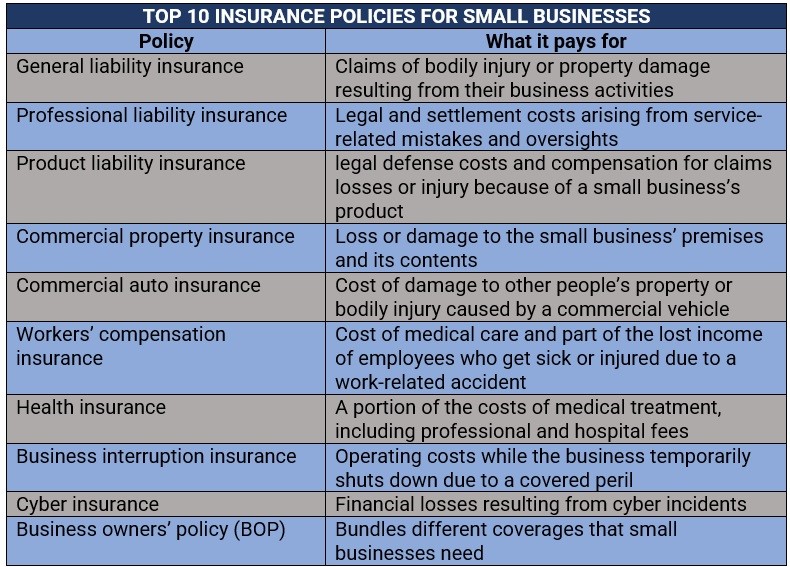
Different types of insurance offer unique protections for small businesses. Some of the most beneficial coverages include:
- General Liability Insurance: Covers legal hassles due to accidents, injuries, and claims of negligence.
- Property Insurance: Protects physical property from damage or theft.
- Business Interruption Insurance: Provides financial support if operations are halted due to a covered peril.
- Workers’ Compensation Insurance: Essential if you have employees, covering medical expenses and lost wages in case of work-related injuries.
Each of these insurance types targets specific risks that can critically impact small businesses, offering peace of mind and financial stability.
Scenarios Where Specific Insurance Options Are Crucial
Real-world examples highlight the importance of having the right insurance:
“A bakery that operates in an area prone to floods benefits significantly from property and business interruption insurance. When a sudden flood damaged the premises, these coverages ensured swift recovery and continued operations.”
Similarly, a consultant who frequently interacts with clients might find general liability insurance indispensable due to the nature of their work, where a potential client slip-and-fall incident could lead to costly legal battles. By having the right insurance, the business is not just surviving but thriving, even amidst unforeseen challenges.
Types of Insurance Policies
Choosing the right insurance policies can be a game-changer for small businesses. Protecting your investment with the appropriate coverage is crucial for long-term success and peace of mind.
Understanding the different types of insurance policies available to small businesses can help you make informed decisions that safeguard your assets and protect against potential liabilities.
Common Insurance Policies for Small Businesses
As a small business owner, it is essential to familiarize yourself with various insurance policies that can cater to your specific needs. Below is a responsive table listing different insurance policies along with their coverage details, benefits, and potential limitations:
| Policy Type | Coverage Details | Benefits | Potential Limitations |
|---|---|---|---|
| General Liability Insurance | Protection against third-party claims of bodily injury or property damage. | Offers peace of mind by covering legal costs and settlements. | May not cover employee injuries or damages to business-owned property. |
| Property Insurance | Covers damage to business property from events like fire, theft, or natural disasters. | Ensures financial recovery to repair or replace damaged property. | Exclusions may apply for certain types of disasters or events. |
| Professional Liability Insurance | Protects against claims of negligence, errors, or failures in professional services. | Vital for service-based businesses to prevent financial loss from lawsuits. | Does not cover intentional misconduct or criminal activities. |
The Importance of General Liability Insurance for Small Businesses
General liability insurance is often considered the backbone of a business’s insurance portfolio. For small businesses facing potential risks from customer interactions, this insurance is indispensable. It covers legal costs associated with injuries or property damage claims, ensuring that a simple mishap does not escalate into a financial catastrophe.
“Without general liability insurance, one accident could threaten the very existence of your business.”
Significance of Property Insurance for Small Business Owners
Property insurance is a lifeline for small business owners who want to secure their physical assets. From unforeseen fires to theft, your business faces numerous threats daily. With property insurance, you can rest assured that your assets, including the building and contents, are protected against a range of perils. This insurance not only safeguards your investment but also ensures business continuity in the face of disaster.
Comparing Insurance Providers
Choosing the right insurance provider is akin to finding the perfect partner for your business’s safety. With so many options available, it’s essential to know what to look for.
Understanding the intricacies of different insurance providers can help you make informed decisions. Let’s explore the criteria, features, and customer service aspects that differentiate the top players in the industry.
Key Criteria for Selecting an Insurance Provider
When you’re on the hunt for an insurance provider, it’s crucial to evaluate them against certain benchmarks. This ensures that your small business is covered comprehensively and affordably.
- Financial Stability: Check their ratings from agencies like AM Best or Standard & Poor’s.
- Policy Offerings: Ensure they offer tailored policies that meet your specific business needs.
- Pricing: Competitive pricing with transparent terms is essential.
- Customer Service: Availability and responsiveness when you need them most.
- User Reviews: Past customer experiences can highlight potential red flags or commendable aspects.
Features, Pricing, and Reliability of Top Providers
Compare some popular insurance providers to see how they stack up against each other in terms of features, pricing, and reliability.
Provider Features Pricing Reliability Provider A Comprehensive coverage, Customizable plans Moderate Highly reliable, Excellent ratings Provider B Basic coverage options, Quick setup Budget-friendly Good for smaller businesses Provider C Specialized industry plans, 24/7 support Premium Rated for customer satisfaction
Evaluating Customer Service Quality
The quality of customer service can make or break your experience with an insurance provider. Here are methods to assess this critical aspect:
- Customer Service Channels: Evaluate the diversity and accessibility of support options, such as phone, email, and chat.
- Response Time: Test their responsiveness by reaching out with queries and noting the promptness of their replies.
- Customer Testimonials: Browse forums and review platforms for genuine feedback from other business owners.
- Trial Periods: Some providers offer trial periods to experience their service firsthand before committing.
- Service Level Agreements (SLAs): Review their SLAs to understand the standards of service you can expect.
Budgeting for Insurance Premiums
Ensuring your small business is covered by the right insurance is crucial, but balancing those costs with your budget can feel like walking a tightrope. Let’s explore a streamlined process to calculate these premiums effectively.
Understanding the financial impact of insurance premiums is key for small business owners. By calculating premium costs based on business size and associated risks, you can ensure that your coverage adequately protects your business without overwhelming your finances.
Calculating Insurance Premium Costs
Before you dive into the numbers, it’s important to understand the factors that influence your insurance premiums. These factors include the size of your business, industry risks, and the types of coverage you need. Here’s a simple way to approach this:
- Assess the size of your business in terms of revenue and employee count.
- Identify potential industry-specific risks that could affect premium rates.
- Choose the types of coverage necessary for your business operations.
Once you’ve gathered this information, you can reach out to insurance providers for quotes, which will give you a clearer picture of the costs involved. Remember, the goal is to find a balance between comprehensive coverage and affordability.
Optimizing Budget Allocation for Insurance
Strategically planning your insurance budget can significantly enhance your business’s financial health. Here are some tips to help you make the most of your budget:
“Prioritizing insurance coverage based on potential risks and business needs ensures financial security without overspending.”
- Rank the importance of different types of insurance based on your specific business risks.
- Consider increasing your deductible to lower premium costs, but ensure you have the funds to cover the deductible if needed.
- Regularly review your insurance policies to adjust coverage as your business evolves.
Sample Budget Plan for Small Business Insurance
A well-structured budget plan can serve as a roadmap to manage your insurance expenses effectively. Here’s a sample budget plan that incorporates various insurance options suitable for small businesses:
| Month | Insurance Type | Budgeted Amount |
|---|---|---|
| January | General Liability | $200 |
| February | Property Insurance | $150 |
| March | Workers’ Compensation | $250 |
| April | Professional Liability | $180 |
This budget plan provides a structured approach to managing insurance premiums, ensuring your business remains protected without straining your financial resources.
Tailoring Insurance Policies to Specific Industries
Every small business is unique, and so are its insurance needs. Tailoring insurance policies to fit the specific requirements of different industries ensures comprehensive protection and peace of mind.
Understanding the unique risks associated with various industries is essential in crafting the perfect insurance package. Whether you run a bustling retail shop, a cutting-edge IT company, or a cozy bed-and-breakfast, your approach to insurance should reflect the specific challenges you face.
Industry-Specific Risks and Insurance Needs
Different industries face different risks. In the retail sector, issues like theft, property damage, and liability are common. IT companies often encounter cyber threats, data breaches, and technology failures. Meanwhile, businesses in the hospitality industry must manage risks related to guest safety and event liabilities. Identifying these unique challenges allows business owners to select the most relevant insurance coverage.
Examples of Tailored Insurance Solutions
Let’s look at some examples of how insurance can be customized for different sectors:
- Retail: Packages may include coverage for inventory loss, public liability, and business interruption.
- IT and Technology: Cyber liability insurance, professional indemnity, and equipment coverage are crucial.
- Hospitality: Hotel or restaurant owners might need liquor liability, guest injury insurance, and property insurance.
Strategies to Customize Insurance Packages
Customizing insurance packages begins with a thorough analysis of your business operations and potential exposures. Here are some strategies:
- Conduct a Risk Assessment: Evaluate all aspects of your operations to identify potential risks and vulnerabilities.
- Consult with Industry Experts: Engage with insurance brokers or agents who specialize in your industry for tailored advice.
- Bundle Policies: Consider bundling different insurance policies to save on premiums while ensuring comprehensive coverage.
“An insurance policy tailored to your industry is not just an expense, but an investment in the longevity and resilience of your business.”
The Role of Insurance Brokers
For small businesses navigating the complex landscape of insurance, partnering with an insurance broker can be a game-changer. These professionals offer invaluable expertise and personalized guidance to secure the best coverage possible.
With a broker, small business owners gain access to insider knowledge and tailored solutions, which are crucial for making informed decisions and ensuring comprehensive protection.
How Insurance Brokers Assist Small Businesses
Insurance brokers serve as specialized advisors, skilled in understanding the unique needs of small businesses. They navigate the market on behalf of business owners, leveraging their networks and knowledge to identify the most suitable insurance options. By evaluating the specific risks and requirements of a business, brokers provide recommendations that align with both current and future needs, ensuring robust coverage.
The Process of Working with a Broker
Engaging with an insurance broker involves a structured approach that begins with understanding your business landscape. The broker conducts an in-depth analysis of your operations, identifying potential risks and coverage gaps. This is followed by:
- Market Research: Brokers survey the market and compare different policies and providers to deliver the best options.
- Policy Recommendations: Based on their research, brokers suggest policies that match your business requirements.
- Negotiation: They negotiate terms and premiums with insurance companies, leveraging their expertise for your benefit.
- Implementation: Once a policy is selected, they guide you through the implementation process, ensuring seamless coverage activation.
Benefits of Using an Insurance Broker
Partnering with an insurance broker offers several advantages over directly purchasing policies from providers:
“A broker’s expertise transforms complex insurance jargon into understandable terms, making decision-making a breeze.”
- Access to Multiple Providers: Brokers have relationships with various insurance companies, granting businesses access to a wider range of options.
- Customized Solutions: They tailor insurance solutions to fit the unique needs of different industries, ensuring no detail is overlooked.
- Time and Cost Efficiency: Brokers save businesses time and potentially reduce costs by finding the best value policies.
- Ongoing Support: Post-purchase, brokers provide continued support, assisting with claims and policy adjustments as needed.
Final Summary
In the ever-evolving landscape of small business, having the right insurance coverage is not just a safety net—it’s a strategic move towards sustainable growth. By understanding your industry’s unique risks and choosing tailored insurance solutions, you can transform potential pitfalls into opportunities. Embrace the security that insurance provides, and watch as your business flourishes with renewed confidence and resilience.

