
Starting and running a small business is thrilling yet challenging, as safeguarding your dream requires more than just passion and hard work. Enter the world of insurance, a key player in protecting your business from unforeseen circumstances. But which insurance covers the most for small business, offering you peace of mind and financial security? This guide is your gateway to understanding the myriad of options available, crafted creatively to ensure you’re equipped with the knowledge to make the best choice.
Imagine your business as a ship navigating through the unpredictable seas of commerce. The right insurance acts as your sturdy anchor, providing stability and assurance against the stormy tides of unexpected events. With the right coverage, you can rest easy, knowing that your investment is shielded from potential perils. Let us embark on this journey together, exploring how to maximize your coverage while keeping costs in check, ensuring your venture sails smoothly towards success.
Types of Insurance for Small Businesses
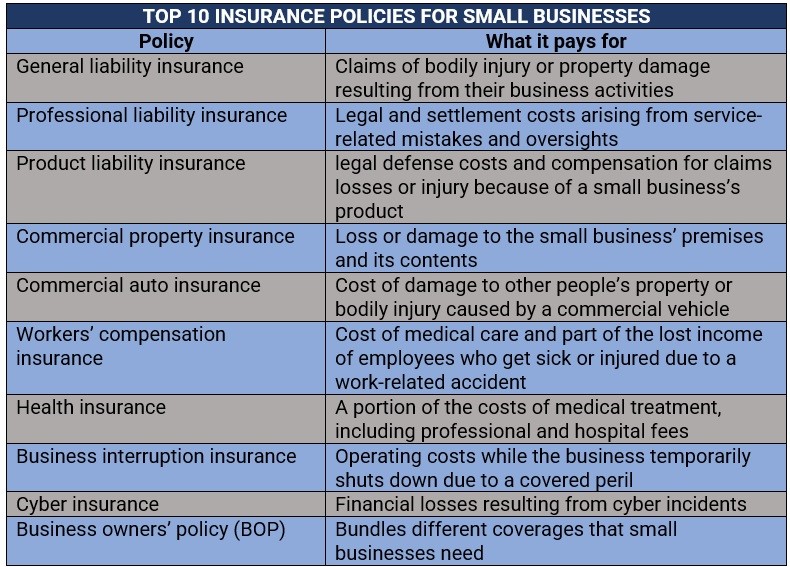
Running a small business is both challenging and rewarding, and safeguarding your venture with the right insurance is crucial. Understanding the different types of insurance available can be the difference between a minor setback and a major disruption.
Small businesses require various insurance types to ensure they are well-protected against potential risks. From general liability to workers’ compensation, the array of options can be overwhelming. However, each type serves a unique purpose and addresses specific aspects of business risk. Let’s dive into some of the common insurance policies that small businesses typically need.
General Liability Insurance
General liability insurance is a must-have for most small businesses. This policy covers legal costs and any damages if your business is sued for causing injury or property damage. It’s the cornerstone of business protection, ensuring that unforeseen accidents don’t financially cripple your operation.
Commercial Property Insurance
For any business that owns or leases physical space, commercial property insurance is vital. It protects your property and its contents against risks like fire, theft, and natural disasters. Whether you operate from an office, a storefront, or a workshop, this insurance helps you recover quickly, minimizing downtime and loss of income.
Coverage Comparison
Deciphering the intricate world of insurance coverage can be daunting, especially when you’re a small business owner. It’s essential to understand the coverage limits of various policies to ensure your business is protected against unexpected events.
By comparing different insurance policies, you get a clearer picture of what each provider offers in terms of protection and limitations. Let’s delve into the ways to evaluate insurance coverage adequacy, ensuring you have the right shield for your business.
Evaluating Coverage Adequacy
When assessing your insurance needs, start by analyzing the potential risks your business might face. Consider the nature of your business, location, and industry standards. Once risks are identified, compare them against the coverage offered by the insurers. Understanding the coverage limits—the maximum amount an insurer will pay for a covered loss—is crucial.
Regularly reviewing and updating your policies as your business grows can prevent inadequate coverage. Here’s a simple table to help you compare popular insurance policies:
| Insurance Provider | Policy Type | Coverage Limit | Deductible |
|---|---|---|---|
| Provider A | General Liability | $1 million | $500 |
| Provider B | Commercial Property | $500,000 | $1,000 |
| Provider C | Professional Liability | $2 million | $250 |
Understanding Policy Differences
Insurance policies vary not only in coverage limits but also in the terms and conditions. Look for exclusions—situations not covered by the policy—and understand how they might affect your claims. A critical step is to consult with an insurance advisor who can provide personalized advice based on your business needs. Remember, one size does not fit all in the world of insurance.
“The right coverage is the key to a secure business future.”
Cost vs. Coverage Analysis
Navigating the world of small business insurance can be a daunting task, with the delicate balance between cost and coverage requiring a strategic approach. Let’s delve into the essential elements that influence this balance and explore how to get the most out of your insurance investment.
Understanding the comprehensive dynamics between the premium you pay and the coverage you receive is crucial in making an informed decision. With a variety of factors influencing this equation, a clear analysis can illuminate the path to optimal insurance solutions for your business.
Key Factors Influencing Insurance Cost
Several crucial elements contribute to the overall cost of insurance for small businesses, each impacting the premium in distinct ways. Recognizing these factors can empower business owners to tailor their policies effectively:
- Business Size and Industry: Smaller businesses or those in low-risk industries typically enjoy lower premiums.
- Claims History: A track record of frequent claims can result in higher costs, emphasizing the importance of risk management.
- Coverage Limits: Higher coverage limits provide more protection but also increase the premium.
- Deductibles: Choosing a higher deductible can reduce premium costs, but it’s crucial to balance this against potential out-of-pocket expenses.
Balancing Premium Costs and Coverage Benefits
Striking the right balance between what you pay and what you gain is the cornerstone of smart insurance planning. Here’s how businesses can achieve this equilibrium:
To maximize value, it’s essential to consider both immediate financial constraints and long-term security. Opting for the cheapest policy might save money now, but comprehensive coverage offers peace of mind and financial protection, especially during unforeseen events. Consider these strategies:
| Strategy | Potential Benefit |
|---|---|
| Risk Assessment | Identifying specific risks allows for targeted coverage, potentially lowering unnecessary costs. |
| Policy Bundling | Combining multiple policies with the same insurer can lead to discounts and simplified management. |
Calculating Return on Investment from Insurance Policies
Insurance should be viewed as an investment rather than an expense. Assessing the return on investment (ROI) helps determine the true value of your policy. Here’s a methodical approach:
Consider insurance as a protective shield that guards your financial interests. Analyzing the ROI is akin to evaluating the strength and resilience of this shield.
By comparing the potential cost of uncovered losses to the premium paid, businesses can gauge the insurance’s financial efficacy. Utilize these methods:
- Loss History Analysis: Evaluate past incidents and potential risks to understand coverage needs and potential savings.
- Break-even Analysis: Calculate the point at which the benefits of coverage outweigh the costs.
- Cost-benefit Comparison: Assess the tangible and intangible benefits, including peace of mind and business continuity, against the premium.
Finding the Best Insurance Provider
Choosing the right insurance provider for your small business is like finding the right partner in a crucial part of your journey. It’s not just about the coverage; it’s about trust and value.
In this segment, we’ll navigate through the critical attributes to consider when selecting an insurer, understand the significance of their reputation, and learn how to potentially negotiate terms that cater to the unique needs of your business.
Criteria for Selecting a Reliable Insurance Provider
When it comes to selecting an insurance provider for your small business, don’t just skim the surface. Dive deep and consider:
- Financial Stability: Always check the provider’s financial ratings. Companies with strong financial health are more likely to honor claims even in challenging economic times.
- Coverage Options: Ensure they offer a variety of plans that can be tailored to the specific risks your business might face.
- Customer Service: A provider known for excellent customer service can be invaluable, particularly when you need assistance the most.
- Claims Process: Research how streamlined their claims process is. A complicated claims process can be a significant headache during stressful times.
Assessing Insurance Provider Reputations
Understanding the reputation of an insurance provider is like reading a novel about their past dealings and customer interactions.
Start by diving into customer reviews and ratings on independent platforms. Look for patterns in feedback; consistent praise or complaints can be telling. Additionally, check for any industry awards or recognitions they might have received. An organization acknowledged by their peers is often a safer bet.
Reputation isn’t built in a day but over countless interactions.
Strategies for Negotiating Better Terms with Insurance Providers
Negotiating insurance terms can feel like an art form, where persistence meets strategy. Here are steps to enhance your negotiation prowess:
- Research other plans and use this data as leverage.
- Be upfront about your business needs and how they align with what the provider offers.
- Don’t hesitate to ask for discounts, especially if you can bundle multiple policies.
- Build a relationship with your insurer; a personal connection can sometimes lead to more favorable terms.
Remember, negotiation is not just about lowering costs, but also about ensuring broader coverage and better service.
Customizing Insurance Plans
Every small business is unique, and so are its insurance needs. Crafting a tailor-made insurance plan is not only smart but essential for ensuring comprehensive coverage where it matters most.
By customizing insurance plans, businesses can focus on covering the areas that pose the highest risks while avoiding unnecessary coverage. Customization ensures that you pay for precisely what you need, maximizing both protection and cost-effectiveness.
The Importance of Tailoring Insurance to Your Business Needs
When it comes to insurance, one size does not fit all. Companies across different industries face varied risks and challenges. A boutique may require more robust property insurance to protect its valuable goods, whereas a tech startup might prioritize cybersecurity insurance. Tailoring your insurance plan helps in allocating resources efficiently, addressing specific liabilities, and ultimately offering peace of mind that your business is protected from potential setbacks.
Effective Methods for Customizing Coverage
Customizing your insurance coverage can initially seem daunting, but with the right approach, it becomes a straightforward process. Start by conducting a thorough risk assessment to identify potential vulnerabilities specific to your business. Consult with an insurance advisor who understands your industry to ensure that no stone is left unturned. Regularly reviewing and adjusting your coverage as your business grows and evolves is also crucial for maintaining optimal protection.
Options for Customizing Your Insurance Plan
Below are some key areas where small businesses can customize their insurance coverage to better fit their needs:
- Property Insurance Add-ons: Customize coverage for specific assets like high-value equipment or inventory.
- Liability Coverage: Opt for general liability, professional liability, or both, depending on your operations.
- Cybersecurity Insurance: Tailor the extent of coverage based on the level of cyber risk exposure.
- Employee Coverage: Modify health and disability insurance to suit the size and nature of your workforce.
- Business Interruption Insurance: Set coverage terms that align with your business continuity plans.
“Customizing your business insurance isn’t just about cost; it’s about safeguarding your dreams and hard work from the unexpected.”
Risk Management and Insurance
Risk management is the unsung hero in the story of successful small businesses, and insurance plays a pivotal role in this narrative. As a dynamic tool in the risk management arsenal, insurance provides the protective shield needed to face unexpected challenges.
By integrating insurance into your business’s risk management strategy, you can proactively address potential threats, ensuring both resilience and peace of mind. This integration allows businesses not only to survive but thrive amid uncertainties.
The Strategic Role of Insurance in Risk Management
Insurance is not merely a safety net; it is a strategic partner in risk management. When aligned with broader risk management practices, insurance can significantly enhance a business’s ability to withstand disruptions. A well-crafted insurance policy acts as a safeguard against financial ruin, protecting assets and ensuring business continuity. Think of it as a financial cushion that absorbs the shock of unforeseen events, allowing your business to bounce back swiftly. For instance, consider a small retail store that faces a sudden theft; with the right insurance policy, the loss is mitigated, and the business can continue operating without sinking into financial despair.
Let’s dive into how different types of insurance integrate with risk management:
- Property Insurance: Shields your physical assets from disasters such as fire or vandalism, ensuring the continuity of operations.
- Liability Insurance: Protects against lawsuits and claims, preserving your business reputation and financial health.
- Workers’ Compensation: Covers medical expenses and lost wages for injured employees, fostering a safe and supportive workplace environment.
- Business Interruption Insurance: Compensates for lost income during unforeseen disruptions, maintaining cash flow and allowing for a smoother recovery.
Examples of Insurance Mitigating Risks
Consider a scenario where a food truck business faces a sudden equipment breakdown. Without equipment insurance, the owner might face significant financial strain. However, with coverage, the repair costs are absorbed, and the business can quickly resume its service.
Another example is a tech startup with cyber liability insurance. When faced with a data breach, this insurance covers notification costs, legal fees, and even public relations efforts, minimizing the impact on the business’s operations and reputation.
“Insurance, when combined with a robust risk management plan, transforms uncertainty into opportunity.”
Closure
In the ever-evolving world of small business, understanding which insurance covers the most can make all the difference between thriving and merely surviving. By tailoring a plan that suits your unique needs and choosing a reliable provider, you lay a solid foundation for enduring success. Insurance isn’t just a financial safety net; it’s a strategic partner in your business journey. Embrace this opportunity to fortify your venture, and watch as it thrives amidst challenges, empowered by your informed decisions.

